
Attic Mold Removal in Spencer, IA

Attic mold is one of the most common problems home inspectors find in Spencer, IA, and one of the most frequently misunderstood. Remedial-Solutions, LLC removes mold from roof sheathing, rafters, and trusses, then corrects the ventilation, venting, or leak problem that allowed it to grow. Whether you just noticed dark staining on the underside of your roof or an inspector flagged it during a home sale, we explain exactly what is going on and how to fix it for good.
Why Mold Grows in Attics
Attic mold almost always comes back to warm, moist air meeting a cold roof deck. Northwest Iowa winters make that especially common, because warm air from the living space rises into a cold attic and condenses on the sheathing.
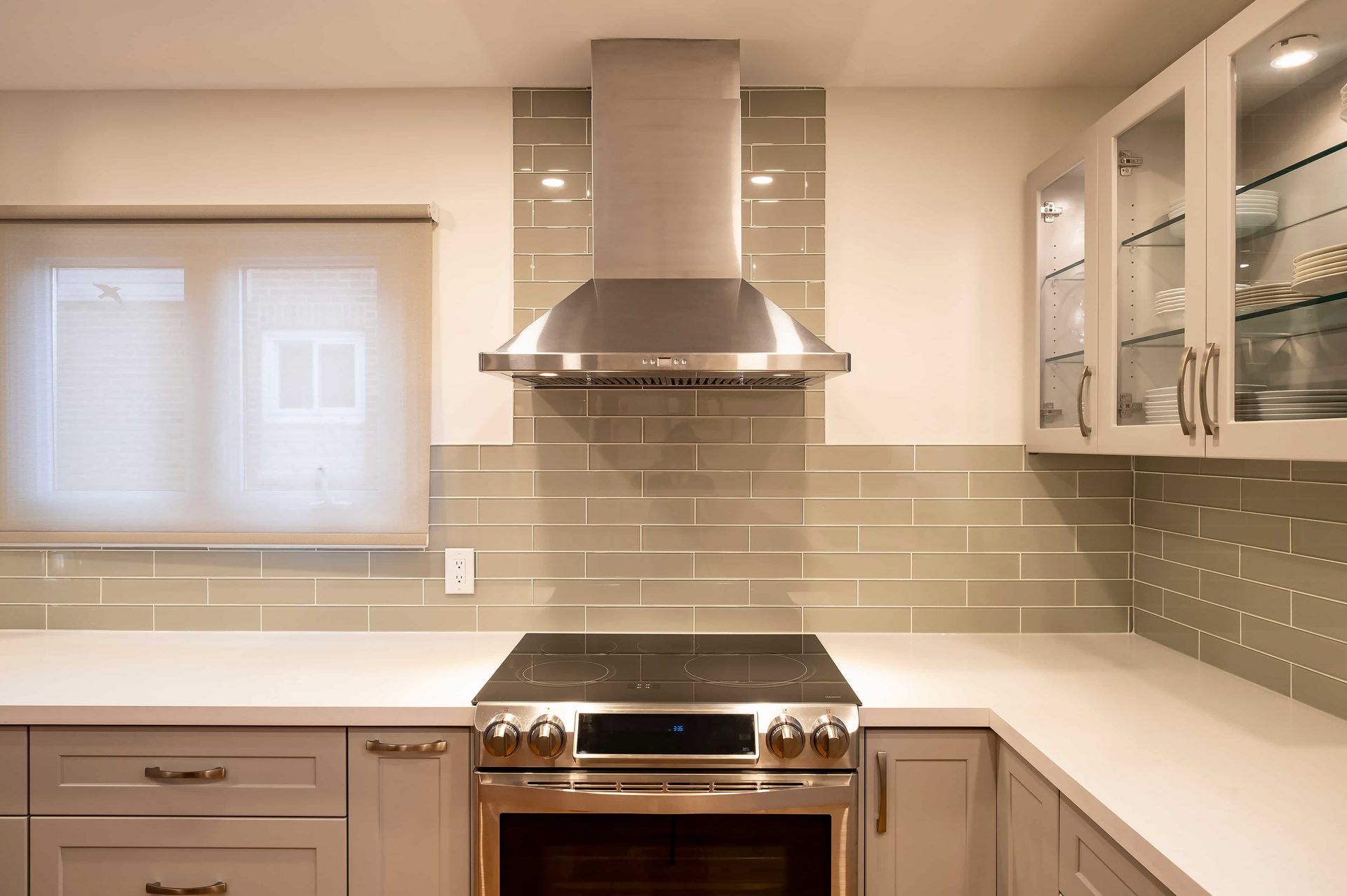
Bathroom and Kitchen Fans Venting Into the Attic
Exhaust fans that discharge into the attic instead of outside dump humid air directly onto the roof boards.
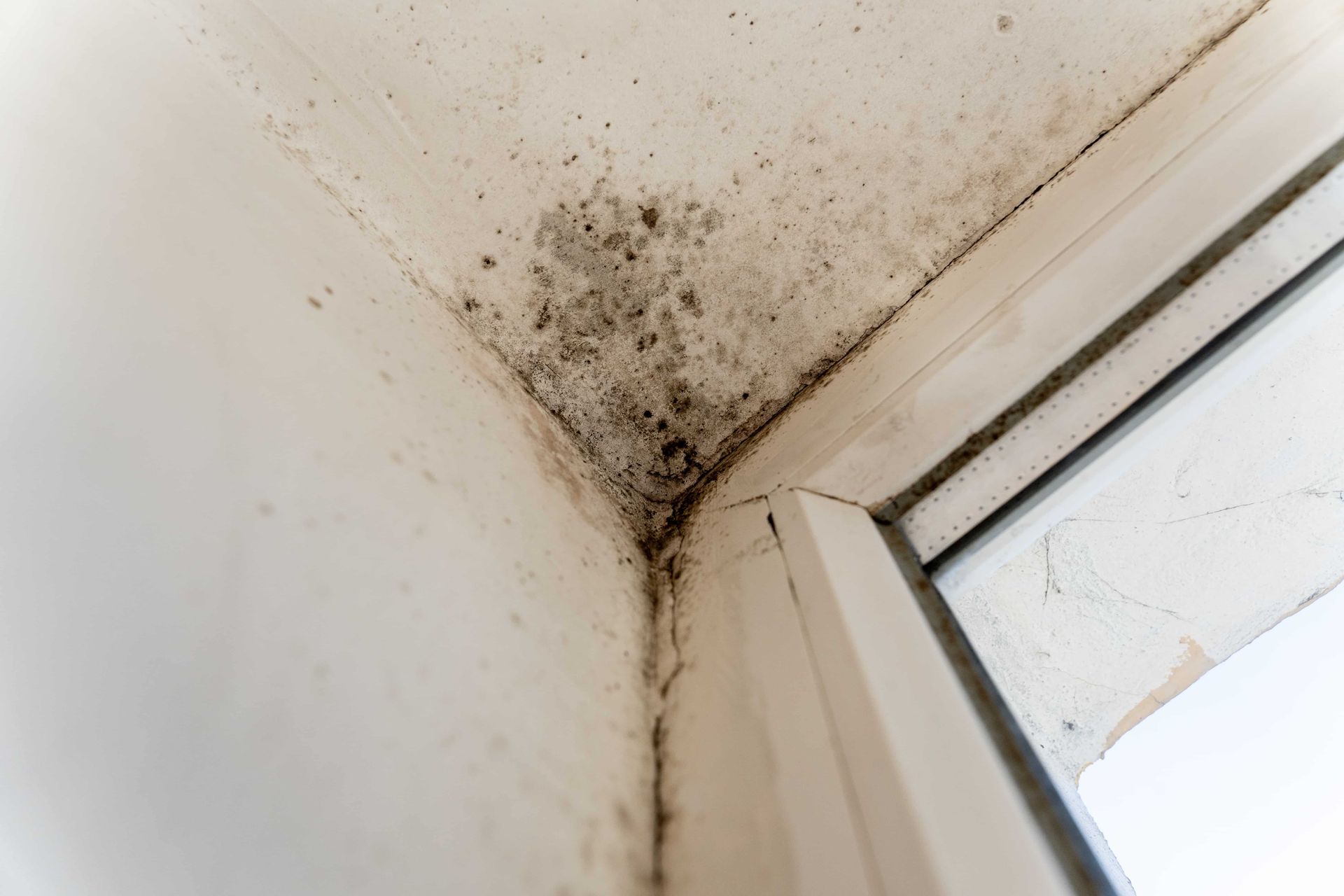
Poor Ventilation
Blocked soffit vents, missing ridge vents, or an imbalance between intake and exhaust ventilation trap moisture in the attic.
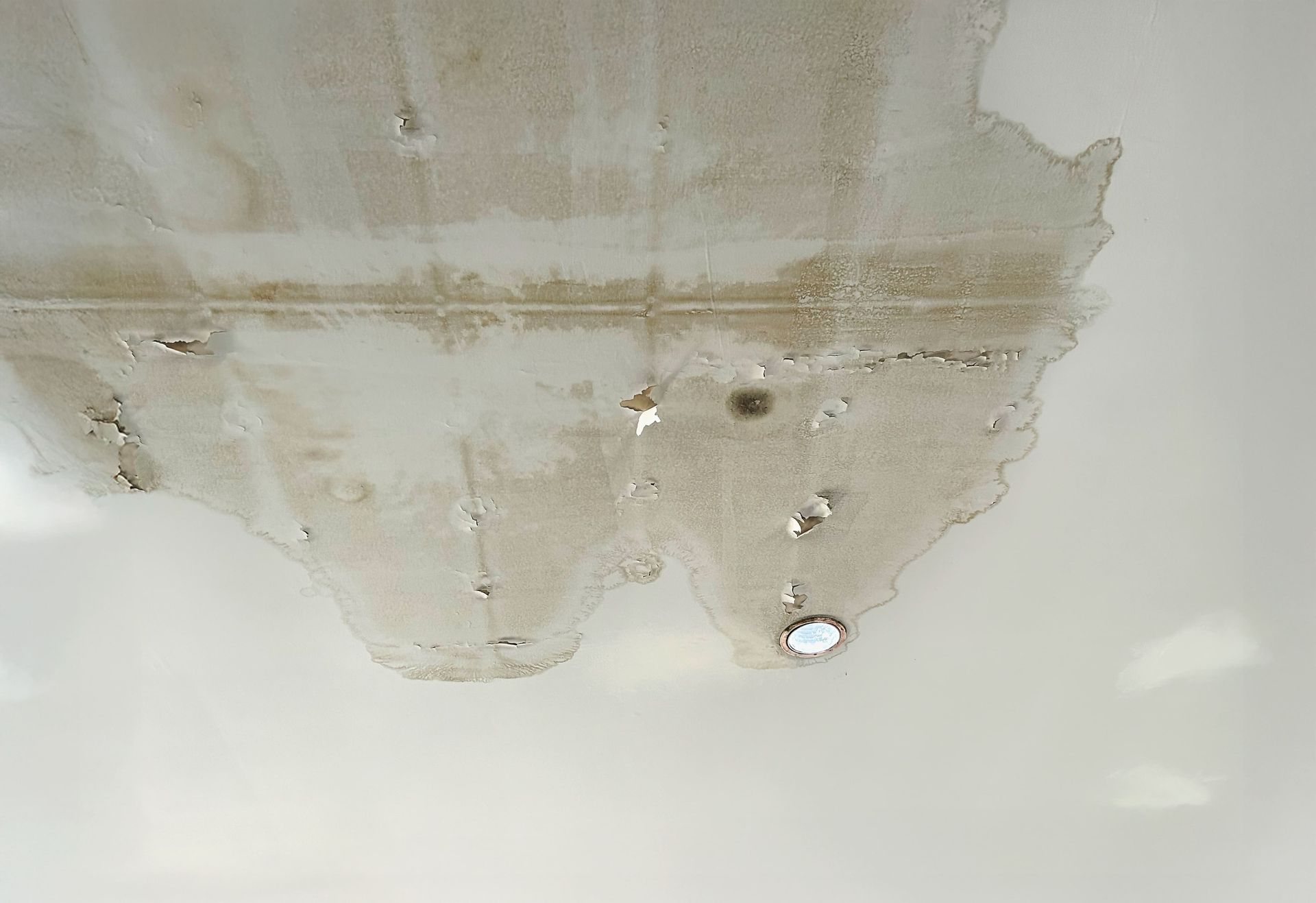
Air Leaks From the Living Space
Gaps around light fixtures, attic hatches, plumbing stacks, and top plates let warm, humid air flow into the attic.
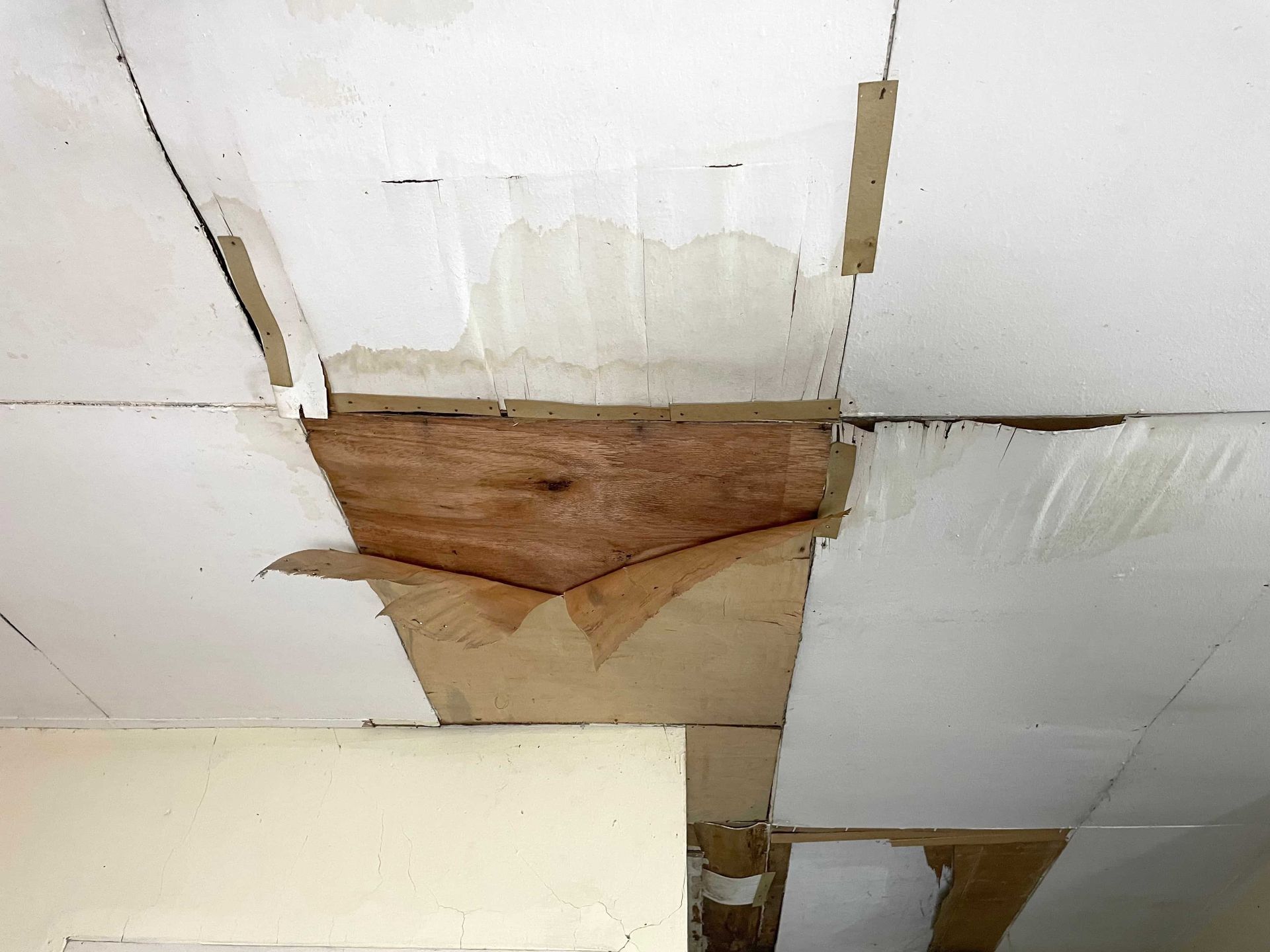
Roof Leaks
Damaged shingles, flashing failures, and ice dams introduce water directly onto sheathing and insulation.
Crawl Space Encapsulation
03.
Sealing and ventilating a damp crawl space controls the humidity that rises into the rest of the house and feeds mold growth under floors.

Signs of Attic Mold
Many homeowners never go into their attic, so mold there often goes unnoticed for years.
01.
Dark Staining on Sheathing
Black or gray discoloration on the underside of the roof deck, often worst on the north side, is the classic sign.
02.
Frost or Moisture in Winter
Frost on nails or sheathing during cold weather indicates humid air is reaching the attic.
03.
Musty Odors
A musty smell near the attic hatch or upper floor ceilings can point to growth overhead.
04.
Damp or Matted Insulation
Wet or compressed insulation suggests leaks or condensation.
Attic Mold and Home Sales
Attic mold is frequently discovered during pre-sale home inspections. One of our customers learned about attic mold growth while selling their home, called several contractors, and chose us because we were the only company that explained the process, came out the next morning for a quote on a Saturday, provided assurance that warranty coverage would transfer to the buyers, and delivered the lowest quote they received. We understand closing deadlines and document our work so everyone involved can see what was done.
Our Attic Mold Removal Process
Removing attic mold without fixing the airflow problem is a waste of money, because the mold will return next winter. Our process handles both.
Inspection
We examine the sheathing, rafters, insulation, ventilation, and fan terminations, and photograph what we find.
Mold Removal and Treatment
Affected wood surfaces are cleaned and treated to remove mold growth. Damaged insulation is removed when necessary.
Correcting the Cause
We address the source, whether that means rerouting exhaust fans to the exterior, improving attic ventilation, sealing air leaks, or identifying roof leaks that need repair.
Final Owner Inspection
The owner inspects every completed job before we consider it finished.
Attic Mold Removal Throughout the Iowa Great Lakes
We remove attic mold in Spencer, Spirit Lake, Arnolds Park, Milford, Storm Lake, Emmetsburg, Estherville, and Jackson, MN. Remedial-Solutions is licensed, bonded, and insured, accredited with the Better Business Bureau, and financing is available for qualifying projects.
Get an honest attic mold estimate near Spencer, IA.
Frequently Asked Questions About Attic Mold Removal
Is attic mold dangerous?
Attic mold can damage roof sheathing over time and may affect indoor air quality if air from the attic enters the living space. It should be removed and the cause corrected.
What causes mold in my attic?
The most common causes are bathroom or kitchen fans venting into the attic, poor ventilation, air leaks from the living space, and roof leaks. In Iowa winters, warm moist air condensing on cold sheathing is a frequent trigger.
Can I just paint over attic mold?
Painting over mold without removing it and correcting the moisture source does not solve the problem. Buyers and inspectors also tend to view encapsulating paint over active mold with suspicion.
Will I need a new roof if I have attic mold?
Most attic mold can be removed without replacing the roof. Sheathing that has rotted or lost structural strength may need replacement, which we will identify during inspection.
How long does attic mold removal take?
Most attic mold removal projects are completed in one to a few days, depending on the size of the attic and the ventilation corrections needed.
Why does attic mold show up on the north side of the roof?
The north side receives less sunlight, so the sheathing stays colder and condensation lingers longer, giving mold more opportunity to grow.
Can attic mold hold up a home sale?
Yes. Inspectors commonly flag attic mold, and buyers may request remediation before closing. We schedule quickly and document the work to help keep the sale on track.
Do you fix attic ventilation?
Yes. Correcting ventilation and exhaust fan terminations is part of our process so mold does not return.
Should I replace attic insulation after mold removal?
Insulation that is wet, matted, or contaminated usually needs to be removed and replaced. Dry insulation in good condition may be left in place.
How much does attic mold removal cost?
Cost depends on the attic size, extent of growth, insulation condition, and ventilation work needed. We provide an estimate after inspection, and financing is available for qualifying projects.